Codes & Standards
Federal HVAC rules, efficiency standards, permits, tax credits and rebates, with effective dates and citations checked against the eCFR and Federal Register.
-
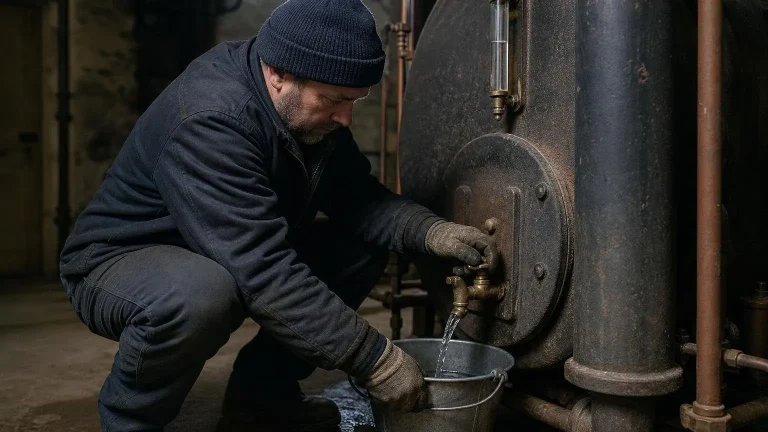
Low Water Cutoff: How Float and Probe LWCOs Work, Code Rules, Testing and Reset
A low water cutoff stops a boiler’s burner before it dry fires. How float and probe types work, where the IRC and state rules require one, maker test…
-
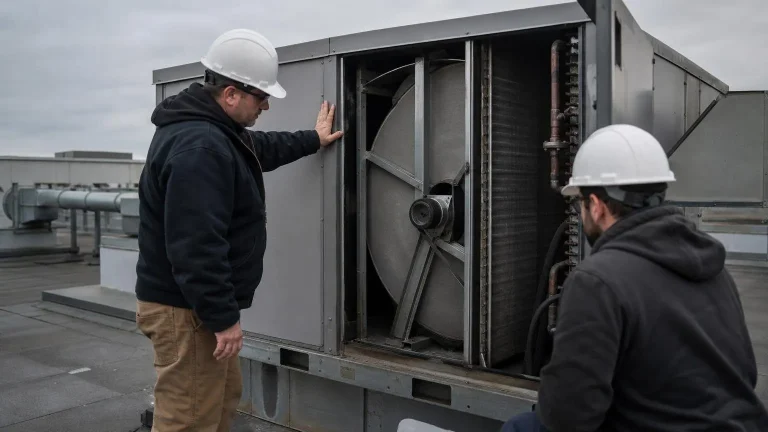
Dedicated Outdoor Air System (DOAS): How It Works, Federal ISMRE2 Rules and Codes
A dedicated outdoor air system treats all ventilation air separately from room heating and cooling. Here is how a DOAS works, the federal ISMRE2 minimums since May 1,…
-
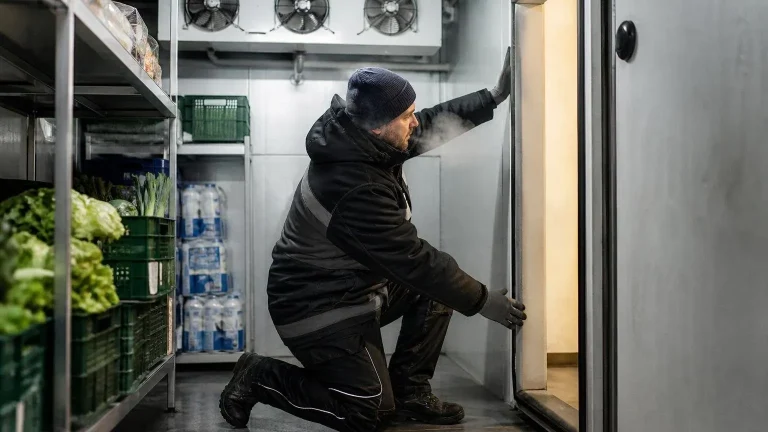
Walk In Cooler: How It Works, Temperature, DOE Rules and Refrigerant Limits
A walk-in cooler is a refrigerated room under 3,000 square feet. Here is how its refrigeration system works, the 41°F food rule, the DOE R-25 and AWEF standards…
-
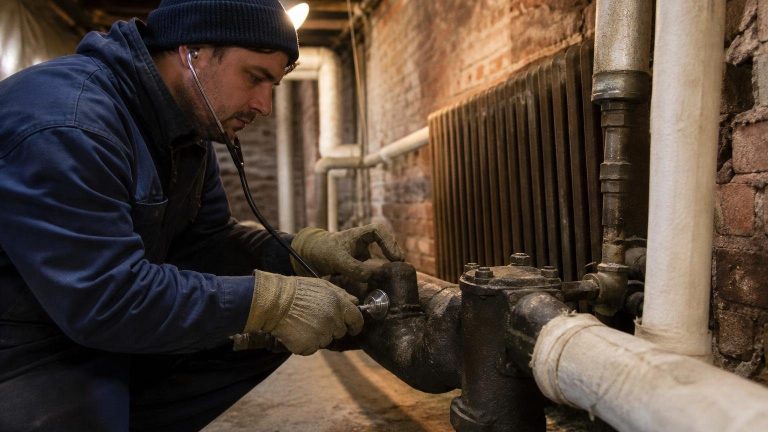
Steam Trap Explained: Types, Failure Modes, Testing and the DOE Cost of a Leak
A steam trap drains condensate and air while holding back steam. DOE data show 15% to 30% fail in neglected systems, and one stuck open can waste thousands…
-
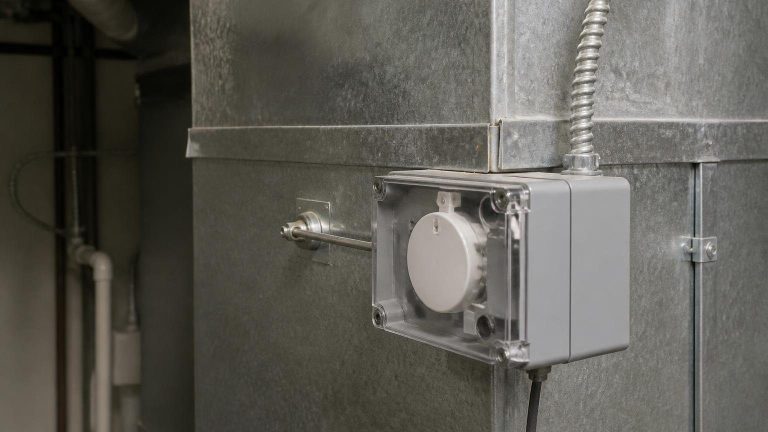
Duct Smoke Detector: When Code Requires One, Where It Goes and How It Is Tested
A duct smoke detector shuts down an air handler when it senses smoke in the duct. Here is when IMC Section 606 and NFPA 90A require one, supply…
-
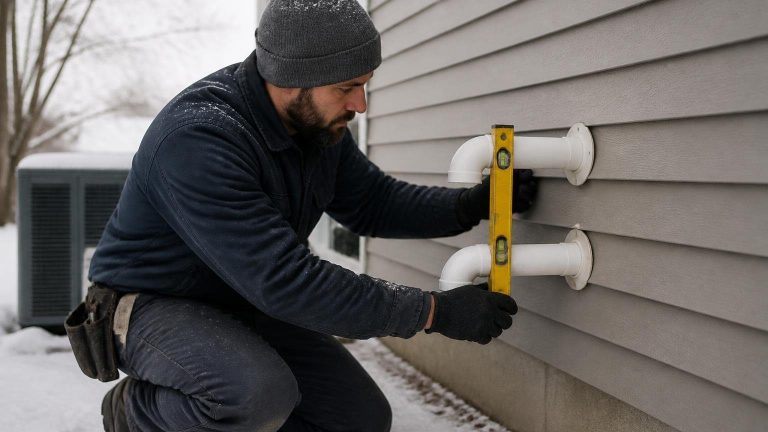
Furnace Vent Pipe Rules: PVC vs B Vent, Slope and Termination Clearances
Which furnace vent pipe your furnace needs, from Type B vent to manual-named PVC, with the 1/4 inch slope rule, Table 503.8 clearances and the orphaned water heater…
-
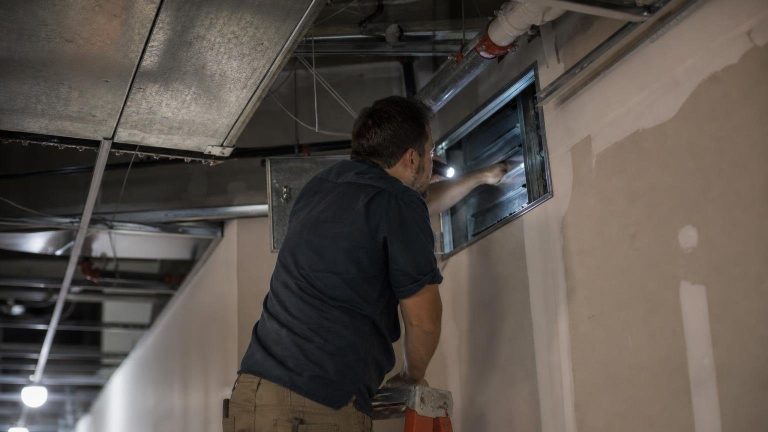
Fire Damper: Where Code Requires Them, Fusible Links and the Inspection Clock
A fire damper closes a duct where it crosses a fire-rated wall or floor. Here is where IBC Section 717 requires them, fire vs smoke vs combination dampers,…
-
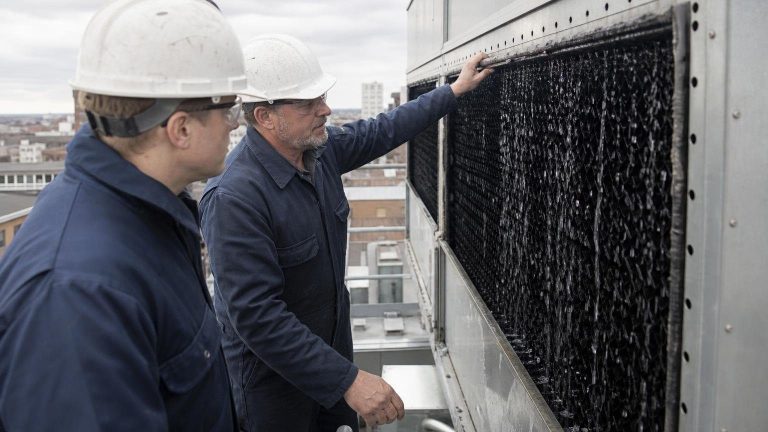
Cooling Tower: How It Works, Range and Approach, Water Use and Legionella Rules
A cooling tower rejects building heat by evaporating about 1 percent of its flow per 10°F of cooling. How it works, the types, the water math and the…
-
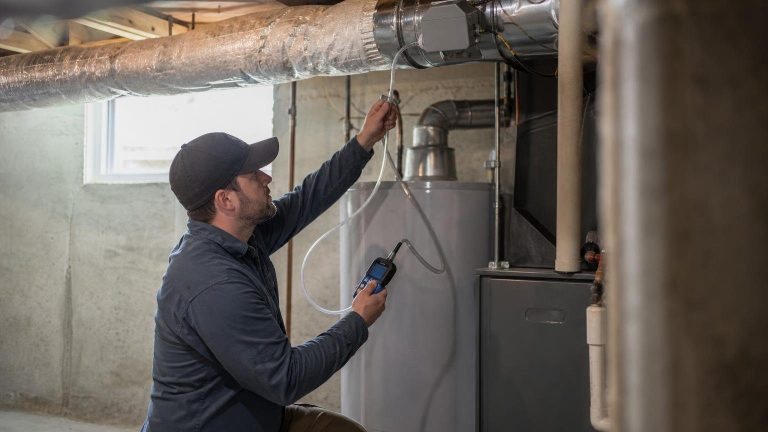
Make Up Air: When Code Requires It, Combustion Air, Dampers and the Pressure Math
Make up air replaces what hoods, dryers and fans exhaust. Here is every code trigger by section number, why the blanket 400 cfm rule is outdated, the depressurization…
-
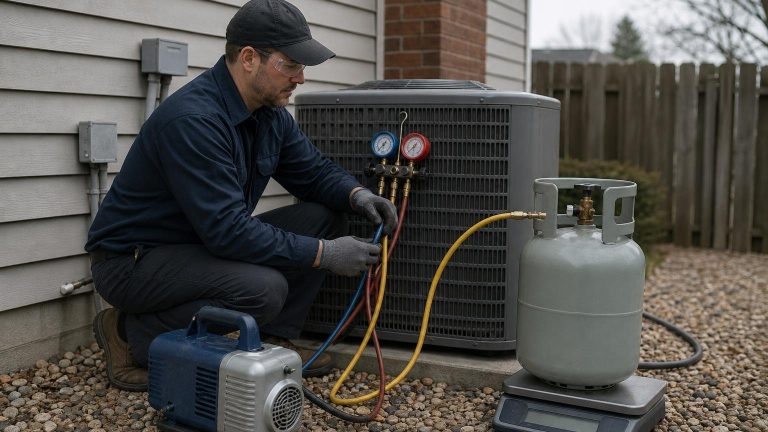
Refrigerant Recovery: EPA Vacuum Levels, Machines, Cylinders and the AIM Act Rules
Refrigerant recovery explained from the regulation text: the 40 CFR 82.156 vacuum levels table, certified machines, push-pull steps, 80% cylinder fill math and the AIM Act reclaim rules.